
Garage Door Safety: 10 Tips Every Homeowner Should Know
Your garage door is the largest moving object in your home. These safety tips could prevent a serious injury to your family.
Garage doors are something most homeowners use multiple times a day without thinking twice. You press a button, the door goes up, you drive through. But here is a fact that deserves your attention: the U.S. Consumer Product Safety Commission estimates that garage doors are involved in roughly 20,000 injuries every year. Some of those injuries are minor pinches. Others are catastrophic — crushed limbs, broken bones, and in the worst cases, fatalities involving children.
We have been repairing and installing garage doors across the Bay Area since 2009, and in that time we have seen firsthand what happens when safety features fail or when homeowners do not know what to look for. This article covers 10 garage door safety tips that every homeowner should follow. Most of them take less than five minutes and cost nothing. All of them could prevent a serious accident.
In This Article
- Test the auto-reverse feature monthly
- Check the photo-eye sensors
- Never walk under a moving door
- Keep fingers away from panel joints
- Don't let kids play with remotes or wall buttons
- Visually inspect springs and cables every 3 months
- Know where your emergency release is
- Keep the tracks clear
- Replace old doors that lack safety features
- Schedule annual professional maintenance
Quick Summary
Your garage door is the heaviest moving object in your home. Test the auto-reverse monthly, keep fingers away from panel joints, never walk under a moving door, and schedule annual professional maintenance. These simple habits prevent serious injuries.
1. Test the Auto-Reverse Feature Monthly
Every garage door opener manufactured after 1993 is required by federal law to include an auto-reverse mechanism. This feature forces the door to stop and reverse direction if it encounters an obstruction while closing. It is the single most important safety feature on your garage door — and you should be testing it every month.
The test is simple. Place a 2x4 piece of lumber flat on the ground in the center of your door opening. Press the button to close the door. When the bottom edge of the door touches the 2x4, the door should reverse and open back up within two seconds. If the door pushes the 2x4 flat, hesitates, or does not reverse at all, your auto-reverse needs immediate adjustment. Do not use the door until it is fixed. Call a garage door repair technician to recalibrate the force settings or replace the opener if necessary.
2. Check the Photo-Eye Sensors
Photo-eye sensors are the two small devices mounted about six inches off the ground on either side of your garage door opening. They project an invisible infrared beam across the doorway. If anything breaks that beam while the door is closing — a child, a pet, a bicycle — the door will immediately stop and reverse.
Over time, these sensors can get knocked out of alignment, collect dust and dirt on their lenses, or get blocked by cobwebs. Check them regularly. The LED indicator lights on each sensor should be solid — usually one green and one amber. If either light is blinking, the sensors are misaligned. Clean the lenses with a soft cloth and gently adjust the sensors until both lights are solid. Test the beam by waving a broom handle through the sensor path while the door is closing. The door should reverse instantly. If it does not, stop using the door and call for professional repair.
3. Never Walk Under a Moving Door
This seems obvious, but it is one of the most common causes of garage door injuries. People hit the button and then duck under the door as it is going up or try to beat it as it closes. The problem is that a residential garage door weighs between 150 and 400 pounds depending on its size and material. If a spring breaks, a cable snaps, or the opener fails while that door is in motion, it will come down with the full force of its weight. There is nothing a person can do to stop it.
Teach every member of your household — especially children — to wait until the door has fully opened or fully closed before walking through the opening. No exceptions. The five seconds you save by ducking under a moving door is not worth the risk of being pinned under hundreds of pounds of steel and glass.
4. Keep Fingers Away from Panel Joints
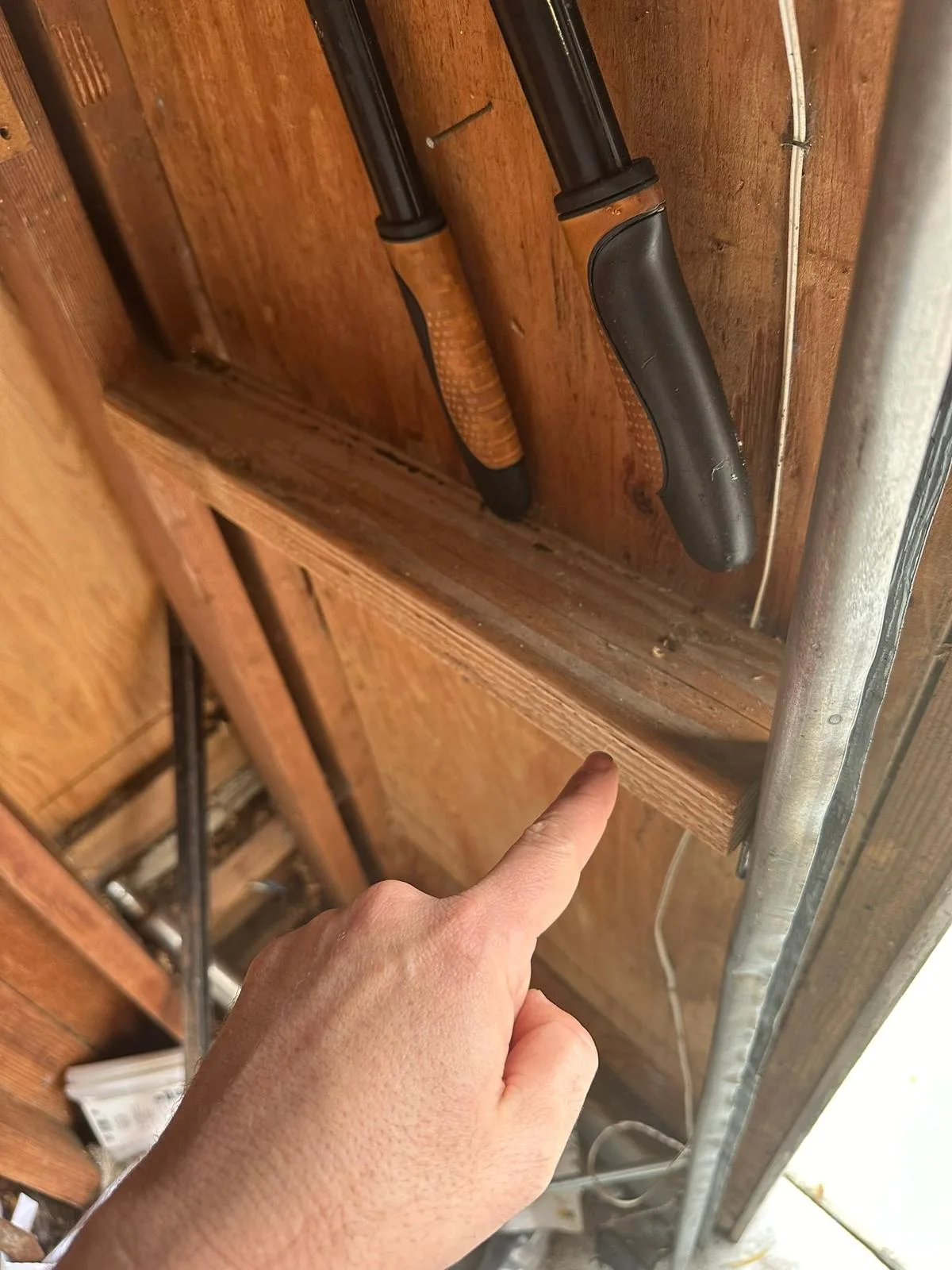
The joints between garage door panels — called section joints or hinges — are the number one cause of garage door finger injuries, and children are by far the most frequent victims. As the door moves, these panels fold and separate at the hinges. If a finger is in the gap between two panels when they close together, the result is a severe crush injury. We are talking about broken fingers, severed fingertips, and in some cases amputations.
Modern garage doors are available with pinch-resistant panel designs that eliminate the gap between sections. If your door is older and does not have this feature, teach your children that the garage door panels are never something to touch while the door is moving — or even while it is stationary, since someone could press the button at any time. For households with young children, consider upgrading to a door with built-in pinch protection. It is one of the most worthwhile safety upgrades you can make.
5. Don't Let Kids Play with Remotes or Wall Buttons
Garage door remotes and wall-mounted control buttons are not toys, but to a child, they look exactly like one — a button that makes a big thing move. Kids are fascinated by it. The danger is real: a child who presses the button while a sibling, pet, or even their own hand is near the door or its tracks can cause a serious injury before anyone has time to react.
The wall-mounted control button should be installed at least five feet off the ground, well out of reach of young children. Store remote controls in a secure location — not in a console where kids can grab them, and not on a low table where they look like a toy. If your garage door opener has a lock-out feature, use it when children are playing in or near the garage. Many modern openers also offer smartphone control through apps like myQ, which keeps the physical remote out of the equation entirely.
6. Visually Inspect Springs and Cables Every 3 Months
Your garage door springs and cables are under enormous tension every single day. Over time, they wear out. When a torsion spring breaks, it releases stored energy violently — many homeowners describe hearing what sounds like a gunshot from their garage. A frayed cable that snaps can whip through the air with enough force to cause serious lacerations or eye injuries.
Every three months, take two minutes to visually inspect these components. Look at the springs mounted above the door — check for rust, corrosion, or visible gaps in the coils that indicate stretching. Our article on how to tell if your garage door spring is broken covers the warning signs in detail. Look at the cables running from the bottom of the door up to the spring assembly — check for fraying, kinking, or loose strands. Do not touch the springs or cables. Just look. If you see anything that concerns you — rust, fraying, gaps, or loose hardware — call a professional to inspect it. A spring replacement done proactively is far safer and often cheaper than an emergency repair after a failure.
7. Know Where Your Emergency Release Is
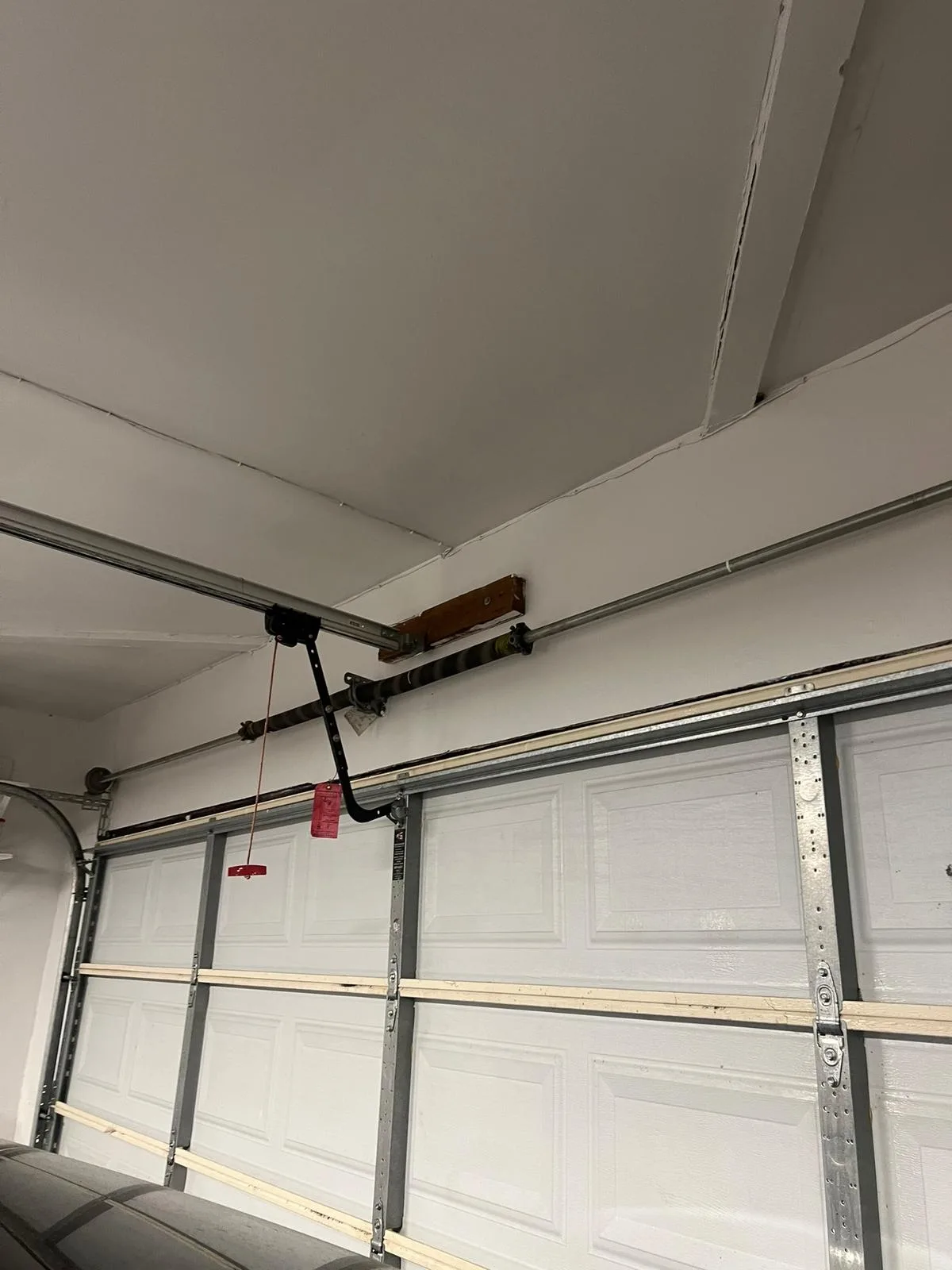
Every garage door opener has an emergency release — it is the red handle hanging from a cord attached to the opener's trolley, usually near the center of the rail. Pulling this cord disconnects the door from the electric opener, allowing you to lift the door manually. You need to know where it is and how to use it before you actually need it.
The most common situations where you will need the emergency release are power outages and opener malfunctions. If the power goes out and your car is inside the garage, pulling the emergency release lets you open the door by hand to get your vehicle out. If your opener fails mechanically, the release lets you bypass it entirely. Practice pulling the release and lifting the door once so you know how it feels. Important note: if a spring is broken, the door will be extremely heavy without the opener to assist — do not try to force it. Call for emergency garage door service instead.
8. Keep the Tracks Clear
The vertical and horizontal tracks that guide your garage door need to be completely clear of obstructions at all times. A ball, a garden tool, a shoe, a box that shifted off a shelf — any object that lands in or near the tracks can cause the door to jam, derail, or come off its rollers entirely. A derailed garage door is unpredictable and dangerous, and attempting to force it back into position yourself can result in injury.
Make it a habit to keep the area around your garage door tracks clear of all objects. Store tools, sports equipment, and boxes at least a foot away from the tracks on either side. After using the garage for projects or activities, do a quick visual scan of the track area before closing the door. Teach kids that nothing should ever be placed on, against, or near the tracks. Prevention takes seconds. A derailed door takes a professional technician and several hundred dollars to repair safely.
9. Replace Old Doors That Lack Safety Features
If your garage door or opener was manufactured before 1993, it may not have an auto-reverse mechanism or photo-eye sensors. These two features are now required by federal law under UL 325 safety standards — but that law does not apply retroactively to doors already installed. That means there are still millions of garage doors in American homes operating without the basic safety features that have been standard for over 30 years.
If your door does not reverse when it hits an object, or if you do not see two small sensors at the bottom of the door tracks, your system is missing critical safety features. This is a serious hazard, especially in homes with children or pets. In many cases, upgrading the opener alone will solve the problem by adding modern safety sensors and auto-reverse. In other cases — particularly with very old, heavy doors that lack pinch-resistant panels — a full garage door replacement is the right call. Either way, do not wait on this one. The risk is real.
10. Schedule Annual Professional Maintenance
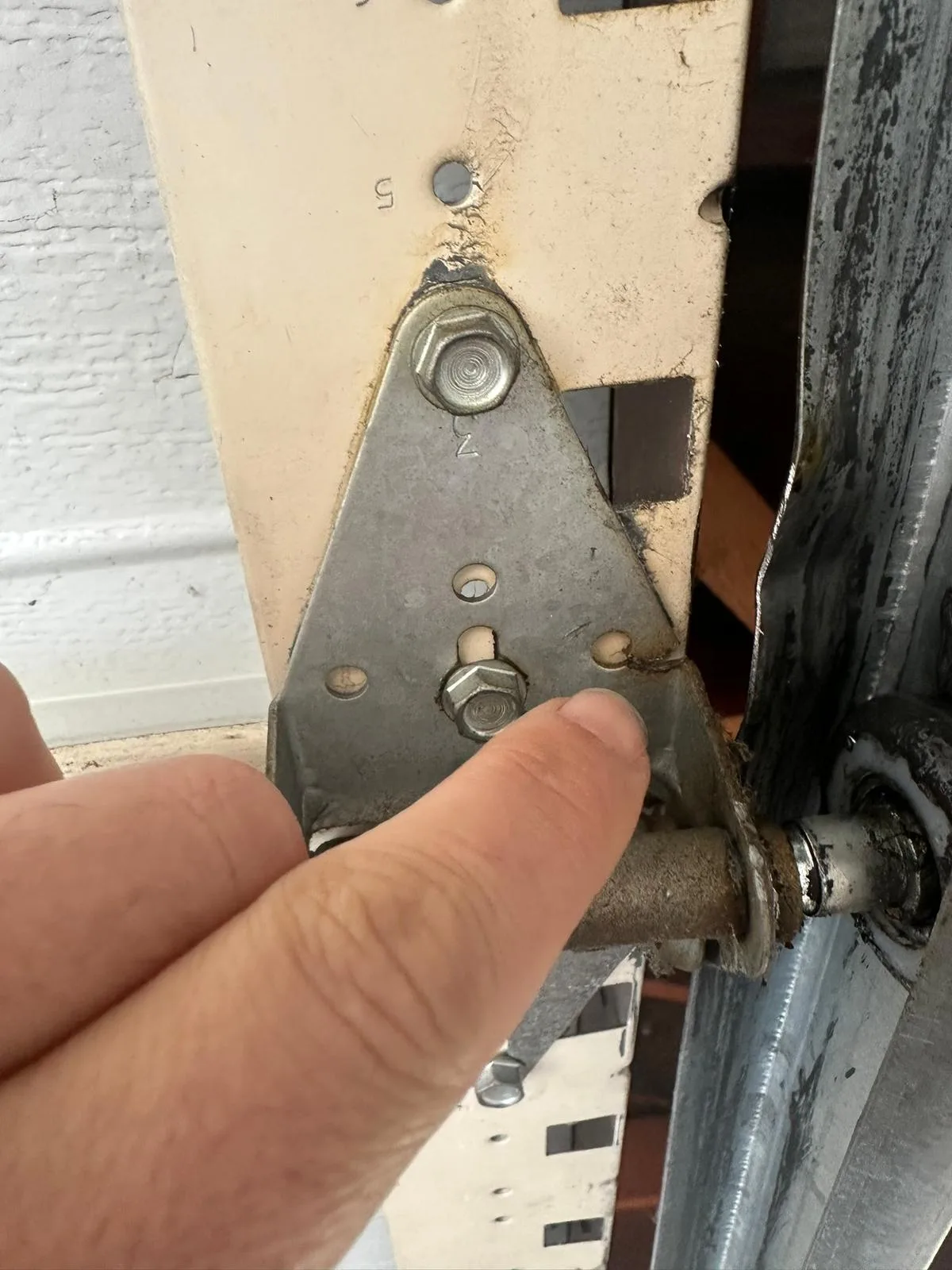
There is a lot you can do yourself — testing the auto-reverse, cleaning the sensors, keeping the tracks clear, doing visual inspections. But there are critical safety checks that require a trained technician with the right tools. Spring tension cannot be accurately measured by eye. Cable wear inside the drum is not visible from the ground. Hardware torque, track alignment tolerances, and opener force settings all require specific gauges and professional judgment.
During an annual tune-up, a professional technician will lubricate all moving parts, tighten every bolt and bracket, test the door's balance by disconnecting the opener and lifting manually, measure and adjust spring tension, inspect cables from end to end including inside the drums, verify the auto-reverse and photo-eye sensors meet current safety standards, and check the structural integrity of the door panels, tracks, and rollers. Our maintenance checklist covers the DIY items you can handle between professional visits. Our annual tune-up typically takes about an hour — call for current pricing. It is the most cost-effective way to keep your door operating safely and catch problems before they become dangerous failures. You can schedule a tune-up online or call us at (888) 485-6995.
Is your garage door safe? If you are not sure whether your door's safety features are working properly, we offer a full safety inspection as part of our annual tune-up. We will test everything, show you what we find, and give you honest recommendations. Call (888) 485-6995 or request a free estimate online.
When to Call a Professional
Many of the tips above are things any homeowner can and should do. But there is a clear line between what is safe for a homeowner to handle and what requires a trained professional. As a rule, if the job involves anything under tension — springs, cables, or the torsion bar — it is not a DIY project. The forces involved are strong enough to cause fatal injuries if a component slips or is improperly handled.
Call a professional for any of the following:
- Broken springs — Torsion springs are under extreme tension and must be replaced using specialized winding bars. Attempting this yourself is genuinely life-threatening. Our spring replacement service is competitively priced with parts and warranty included — call for a quote.
- Frayed or snapped cables — Cables are connected to the spring system and handle the full weight of the door. Replacing them requires releasing and reapplying spring tension.
- Door off the tracks — A derailed door is unstable and can fall without warning. Do not attempt to force it back into position.
- Opener force adjustments — Setting the close force too high defeats the auto-reverse safety feature. A technician calibrates this using standardized resistance tests.
- Any repair you are unsure about — When in doubt, call. A professional service call is nothing compared to a hospital visit.
If you have a garage door situation that feels unsafe or urgent, we offer emergency service throughout the Bay Area with fast response times. Our technicians carry the parts needed for most repairs on the truck, so we can usually resolve the issue in a single visit.
Frequently Asked Questions
How do I test if my garage door auto-reverse is working?
Place a 2x4 piece of lumber flat on the ground in the center of the door opening. Close the door using your wall button or remote. When the door contacts the 2x4, it should automatically reverse and open back up within two seconds. If it does not reverse, your auto-reverse mechanism needs immediate adjustment or repair. Test this monthly to make sure it is always functioning properly.
How often should I have my garage door professionally inspected for safety?
We recommend a professional safety inspection and tune-up at least once a year. During a professional inspection, the technician checks spring tension, cable condition, hardware torque, track alignment, and tests all safety features including the auto-reverse and photo-eye sensors. Between professional visits, visually inspect springs and cables every three months and test the auto-reverse feature monthly. See our FAQ page for more details on what a tune-up includes.
Are garage doors without photo-eye sensors dangerous?
Yes. Garage doors manufactured before 1993 may not have photo-eye sensors or an auto-reverse mechanism, which are now required by federal law under UL 325. Without these safety features, the door will not stop or reverse if a child, pet, or object is in its path. If your garage door lacks photo-eye sensors, we strongly recommend upgrading your opener or replacing the door system. Contact us for a free safety assessment.
What should I do if my garage door spring breaks?
Do not attempt to open or close the door manually or with the opener. A garage door without functioning spring support can weigh 150 to 400 pounds and is extremely dangerous to operate. Keep everyone away from the door and call a professional garage door spring technician immediately. Spring replacement involves high-tension components that can cause serious injury or death if handled incorrectly. Our team offers same-day emergency spring replacement throughout the Bay Area.
Related Articles
Serving the Entire Bay Area
Integrity Garage Doors & Gates provides expert service across the San Francisco Bay Area. Find your local service area:
Hayward • Oakland • Fremont • San Jose • San Francisco • Concord • Walnut Creek • Dublin • Pleasanton • Castro Valley • San Leandro • Danville • San Ramon • Palo Alto • Mountain View • Berkeley • San Mateo • Redwood City • Livermore • All Locations →
Keep Your Family Safe
Not sure if your garage door is safe? We will come out, inspect every safety feature, and give you an honest report — no sales pressure, no scare tactics. Just the truth about what your door needs. Call us or request a free estimate today.